
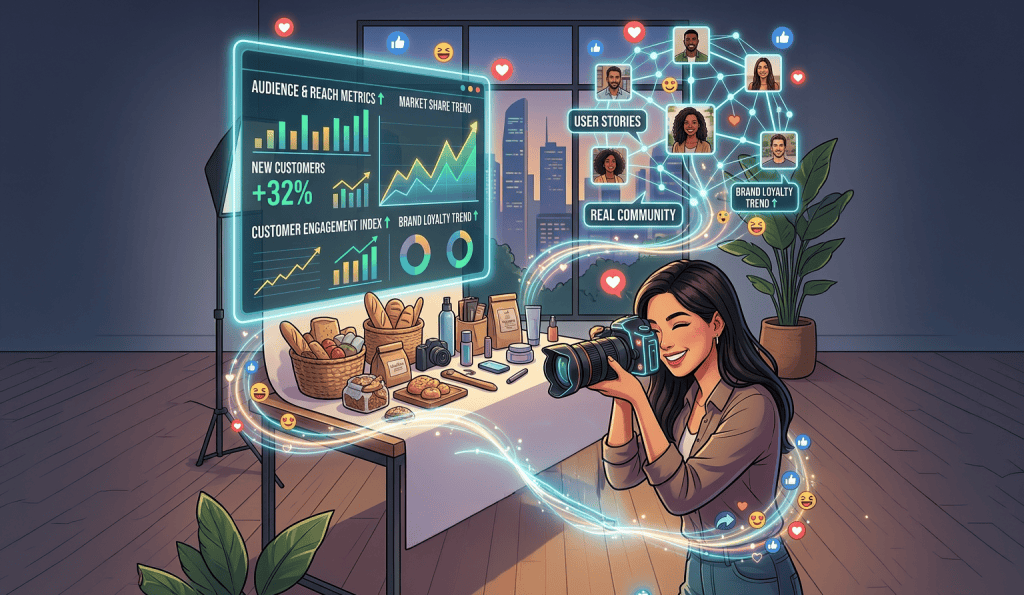
Why is social media important for hospitality and wine business growth and brand authenticity? The answer lies in how modern guests and wine consumers discover experiences and decide what to trust. According to DataReportal, more than 5 billion people actively use social media worldwide, and a large percentage use it to choose restaurants, hotels and wine brands. For hospitality venues and wine businesses, social media influences bookings, tasting room visits and purchasing decisions long before a customer arrives at the door.
Social media success in these industries is not about constant promotion. It is about authentic social media marketing that reflects atmosphere, craftsmanship and genuine experience. Below are ten reasons why social media is important for hospitality and wine businesses, supported by statistics and industry relevant examples.
Builds Visibility for Experiences, Not Just Products
Hootsuite reports that 75 percent of consumers research brands on social media before making a decision. For hotels, restaurants and wine estates, this means showcasing real experiences such as dining ambience, vineyard views or cellar doors. Authentic photos and videos help potential guests imagine themselves there.
Builds Trust Through Authentic Storytelling
According to the Edelman Trust Barometer, 81 percent of consumers say trust influences purchasing decisions. Wine brands sharing harvest stories, winemaker insights or sustainability practices build credibility. Hospitality venues that show real staff and daily operations feel more trustworthy than polished advertising.
Influences Booking and Purchase Decisions
Tripadvisor data shows that over 70 percent of travellers check social media before booking accommodation or dining. A restaurant sharing genuine customer reactions or a wine brand posting tasting notes from real events helps customers feel confident in choosing you.
Encourages Meaningful Guest and Customer Engagement
Sprout Social reports that 68 percent of consumers feel more connected to brands that engage with them online. Responding to guest comments, reposting customer photos or thanking visitors by name creates loyalty in hospitality and wine communities.
Highlights Atmosphere and Brand Personality
Hospitality and wine brands sell emotion as much as service. HubSpot research shows that consistent brand voice increases engagement. Whether your brand is relaxed, refined or adventurous, authentic tone and visuals help audiences understand your identity instantly.
Supports Growth for Independent and Boutique Businesses
HubSpot reports that 77 percent of marketers say social media helps drive sales. Independent restaurants, boutique hotels and small wine producers benefit from sharing behind the scenes moments such as menu testing or bottling days, helping customers feel part of the journey.
Improves Customer Service and Reputation Management
Sprout Social data shows that 76 percent of consumers expect a response within 24 hours on social media. Hospitality businesses that respond openly to feedback or resolve complaints publicly show professionalism and care, which strengthens reputation.
Drives Foot Traffic and Direct Sales
Hootsuite confirms that social media is a strong driver of website visits. Posting authentic event announcements, seasonal menus or limited release wines encourages direct bookings, reservations and purchases without relying solely on third party platforms.
Builds Digital Word of Mouth
Nielsen research shows that 92 percent of people trust recommendations from other people over brands. Sharing user generated content such as guest photos, wine tasting reviews or tagged location posts strengthens digital brand awareness and trust.
Keeps Brands Relevant
DataReportal shows social media usage continues to grow year on year. Hospitality and wine brands that adapt to trends while staying authentic are seen as modern, approachable and customer focused, which is essential in competitive markets.
Why Authenticity Matters
Sprout Social research shows that 86 percent of consumers value authenticity when choosing which brands to support. Guests and wine buyers want real experiences, real stories and genuine passion. Over edited content can feel disconnected, while authenticity builds emotional connection and repeat visits.
Conclusion
The importance of social media for hospitality and wine businesses lies in its ability to showcase experience, craftsmanship and human connection. When authenticity leads your social media strategy, platforms become powerful tools for bookings, loyalty and long term brand growth.
Would you like to start a project with us?
Whether it be for advice, managing your social media accounts or building your website or e-commerce store, contact us and we can assist you.

